


Some error occured while loading the Quick View. Please close the Quick View and try reloading the page.
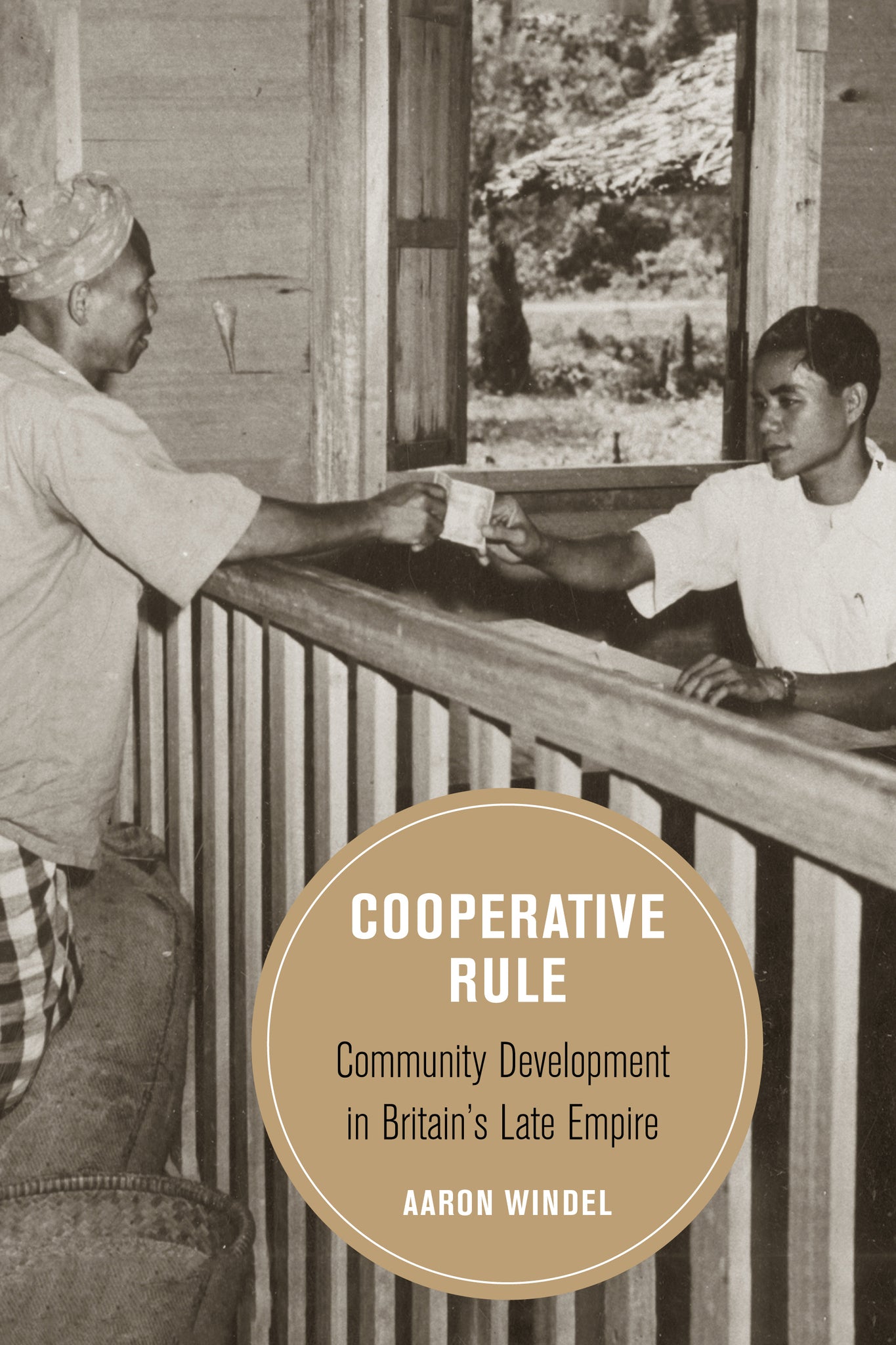
While many have interpreted the cooperative movement as propagating a radical alternative to capitalism, Cooperative Rule shows that in the late British Empire, cooperation became an important part of the armory of colonialism. The system was rooted in British rule in India at the end of the nineteenth century. Officials and experts saw cooperation as a unique solution to the problems of late colonialism, one able to both improve economic conditions and defuse anticolonial politics by allowing community uplift among the empire’s primarily rural inhabitants. A truly transcolonial history, this ambitious book examines the career of cooperation from South Asia to Eastern and Central Africa and finally to Britain. In tracing this history, Aaron Windel opens the door for a reconsideration of how the colonial uses of cooperation and community development influenced the reimagination of community in Europe and America from the 1960s onward.

Price: $34.95
Pages: 274
Publisher: University of California Press
Imprint: University of California Press
Series: Berkeley Series in British Studies
Publication Date:
30 November 2021
Trim Size: 9.00 X 6.00 in
ISBN: 9780520381889
Format: Paperback
BISACs:
"An electric account of the cooperative movement’s role in rural modernization. . . .an ambitious and clear-headed. . . .contribution to these literatures and to courses on colonial development, anti-colonial politics, and late imperial history."
Aaron Windel is Associate Professor of History at Simon Fraser University.
Contents
List of Illustrations
Acknowledgments
Introduction
1. Cooperative Rule
2. Pedagogies of Community Development
3. Anti-empire, Development, and Emergency Rule
4. Uganda’s Anti-colonial Cooperative Movement
5. Cooperatives and Decolonization in Postwar Britain
Conclusion
Notes
Bibliography
Index
List of Illustrations
Acknowledgments
Introduction
1. Cooperative Rule
2. Pedagogies of Community Development
3. Anti-empire, Development, and Emergency Rule
4. Uganda’s Anti-colonial Cooperative Movement
5. Cooperatives and Decolonization in Postwar Britain
Conclusion
Notes
Bibliography
Index