


Some error occured while loading the Quick View. Please close the Quick View and try reloading the page.
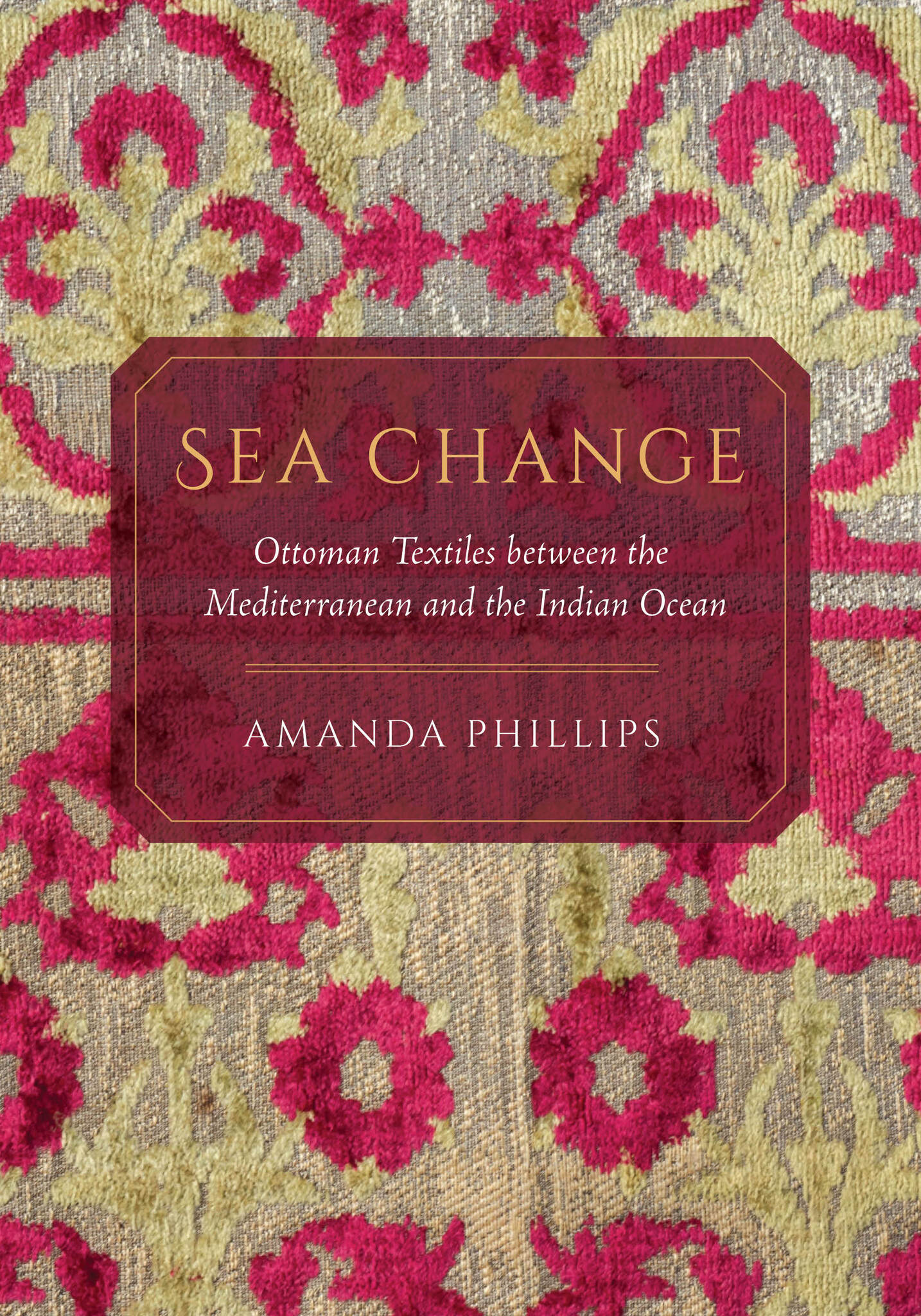
Textiles were the second-most-traded commodity in all of world history, preceded only by grain. In the Ottoman Empire in particular, the sale and exchange of silks, cottons, and woolens generated an immense amount of revenue and touched every level of society, from rural women tending silkworms to pashas flaunting layers of watered camlet to merchants traveling to Mecca and beyond. Sea Change offers the first comprehensive history of the Ottoman textile sector, arguing that the trade's enduring success resulted from its openness to expertise and objects from far-flung locations. Amanda Phillips skillfully marries art history with social and economic history, integrating formal analysis of various textiles into wider discussions of how trade, technology, and migration impacted the production and consumption of textiles in the Mediterranean from around 1400 to 1800. Surveying a vast network of textile topographies that stretched from India to Italy and from Egypt to Iran, Sea Change illuminates often neglected aspects of material culture, showcasing the objects' ability to tell new kinds of stories.

Price: $65.00
Pages: 360
Publisher: University of California Press
Imprint: University of California Press
Publication Date:
20 April 2021
Trim Size: 10.00 X 7.00 in
ISBN: 9780520303591
Format: Hardcover
BISACs:
"That [textiles’] significance is underestimated by westward-thinking art historians is a wide gap in scholarship, which "Sea Change" begins to fill with clear delineations of prose offering readers meticulous insight into the pragmatics of the textile craft and the inspirations of its creative flourishing across classes and cultures."
Amanda Phillips is Assistant Professor of Islamic Art and Material Culture at the University of Virginia. She is the author of Everyday Luxuries: Art and Objects in Ottoman Constantinople, 1600–1800.
Acknowledgments
Translations, Transliterations, and Terminologies
Introduction
PART 1
1. Technology, History, and Terminology, ca. 1200–1400
2. Weaving in Anatolia: International Styles and Local Production, 1390–1500
PART 2
3. Imperial Appetites, Shared Technologies, 1500–1650
4. Regulation and Contravention, 1500–1700
PART 3
5. Worlds of Goods: Consumption and Production, 1550–1750
6. Emulation, Imitation, and Novelty, 1700–1800
Conclusion
Appendix
Abbreviations
Glossary
Notes
Bibliography
List of Illustrations
Index
Translations, Transliterations, and Terminologies
Introduction
PART 1
1. Technology, History, and Terminology, ca. 1200–1400
2. Weaving in Anatolia: International Styles and Local Production, 1390–1500
PART 2
3. Imperial Appetites, Shared Technologies, 1500–1650
4. Regulation and Contravention, 1500–1700
PART 3
5. Worlds of Goods: Consumption and Production, 1550–1750
6. Emulation, Imitation, and Novelty, 1700–1800
Conclusion
Appendix
Abbreviations
Glossary
Notes
Bibliography
List of Illustrations
Index