


Some error occured while loading the Quick View. Please close the Quick View and try reloading the page.
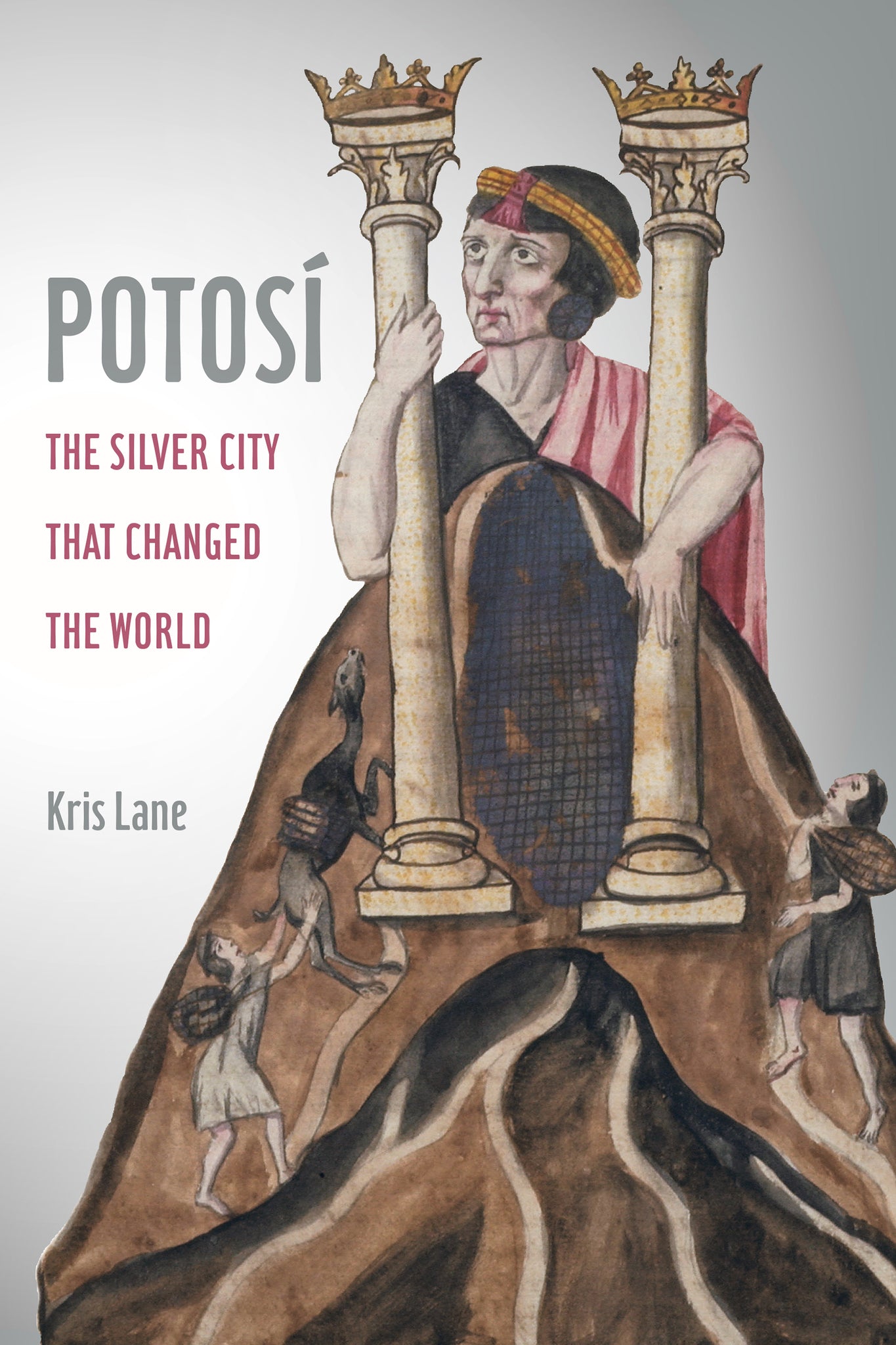
In 1545, a native Andean prospector hit pay dirt on a desolate red mountain in highland Bolivia. There followed the world’s greatest silver bonanza, making the Cerro Rico, or “Rich Hill,” and the Imperial Villa of Potosí instant legends, famous from Istanbul to Beijing. The Cerro Rico alone provided over half of the world’s silver for a century, and even in decline, it remained the single richest source on Earth.
Potosí is the first interpretive history of the fabled mining city’s rise and fall. From Potosí’s startling emergence in the sixteenth century to its collapse in the nineteenth, Kris Lane tells the story of global economic transformation and the environmental and social impact of rampant colonial exploitation. Lane’s invigorating narrative offers rare details of this thriving city and its promise of prosperity. A new world—native workers, market women, African slaves, and other ordinary residents living alongside elite merchants, refinery owners, wealthy widows, and crown officials—emerges in lively, riveting stories from the original sources. An engrossing depiction of excess and devastation, Potosí reveals the relentless human tradition in boom times and bust.

Acknowledgments
Preface
Timeline
Introduction
1 • Bonanza
2 • Age of Wind, Age of Iron
3 • The Viceroy’s Great Machine
4 • An Improbable Global City
5 • Secret Judgments of God
6 • Decadence and Rebirth
7 • From Revival to Revolution
8 • Summing Up
Epilogue: Potosí since Independence
Appendix: Voices
Glossary
Notes
Bibliographical Essay
Select Bibliography
Index